








VO₂max: what the number means and how we measure it in Zürich
VO₂max is the amount of oxygen the body can use per minute at maximal effort. It is one of the few health values that changes with training at any age. At Anida Lab in Zürich Enge, Therapy Base measures it in sixty minutes, with a mask and a progressive protocol.

What does VO₂max measure?
VO₂max stands for maximal oxygen uptake: millilitres of oxygen per kilogram of body weight per minute. The value describes the whole chain. The lungs take oxygen in, the heart pumps it, the blood carries it and the muscles use it. If one link is weak, the number shows it.
That is why a single figure says more than a stopwatch. Two people can run the same pace along the Seeufer with very different oxygen uptake. One of them is working close to the limit, the other has reserve. The test makes that difference visible.
Why does the number matter beyond sport?
Cardiorespiratory fitness is one of the strongest markers of long-term health that research has looked at. The evidence points in one direction: a higher VO₂max goes with a lower risk of heart disease and more years in good health. Age, weight and blood pressure are often discussed. Oxygen uptake belongs in the same conversation.
The value is also one you can move. Unlike many markers, it responds to training within weeks, and it keeps responding well into later decades. For many people in Zürich who sit for most of the day, it is the clearest measure of what regular movement actually changes.
How does the VO₂max test at Anida Lab work?
Therapy Base runs the analysis at Anida Lab, Gotthardstrasse 40, Monday to Friday between 09:00 and 17:00. The appointment takes sixty minutes and is one to one. You choose treadmill or bike, depending on what feels natural.
You wear a mask that measures every breath: how much oxygen goes in and how much carbon dioxide comes out. The protocol is progressive. It starts easy and increases in steps until you decide to stop. The final minutes are hard. After that, a short recovery phase while the system keeps recording.
- Arrival and a short conversation about health, medication and training
- Mask fitting and a few quiet breaths at rest
- Progressive protocol on treadmill or bike, around ten to fifteen minutes of effort
- Recovery and a first look at the curves together
What do you take home?
A report with your VO₂max, your ventilatory thresholds and your heart-rate zones. The thresholds mark where breathing changes gear. Below the first one you can hold a conversation; above the second you cannot for long. Between them lies the range where most endurance training happens.
The zones turn the number into something you can use on the next run. Many people discover that their easy days have been too fast and their hard days not hard enough. The report corrects that with your own data, not with a formula based on age.
How do you improve VO₂max?
Two ingredients, in balance. Easy volume in the lower zones builds the capillaries and the mitochondria that use the oxygen. Short, hard intervals near the top push the heart and the lungs. Most plans need more of the first and better quality in the second.
Strength and recovery round it out. Calisthenics and Reformer Pilates in the Lab build the trunk and the legs that carry the effort. Sync Flow and Move & Stretch keep the easy days easy. Red Light Therapy after a hard session supports regeneration, so the next quality session is possible.
How to prepare, and how often to repeat
Come rested. No hard training the day before, a light meal two to three hours earlier, water as usual. Bring running shoes and clothes you can sweat in. Tell the tester about any medication, heart condition or recent illness before you start.
A repeat every four to six months shows whether the plan works. Many people combine it with the Check up at Therapy Base, which gives the wider picture in the same hour. The first test sets the baseline. The second one is where the conversation gets interesting.
Where to take the test in Zürich
Anida Lab is in Enge, Kreis 2, a few minutes on foot from Bahnhof Enge and from the lake. S-Bahn and tram connect it to the main station and Paradeplatz. People from Wollishofen, Wiedikon and the city center arrive on the way to work or at lunchtime. After the test, the Anida Café is next door.
Questions and answers
No. The protocol starts easy and you set the end point. Beginners get a baseline, experienced runners get precise zones. Both are useful.
Choose what you train with. Runners usually reach a higher value on the treadmill, cyclists on the bike. The report is specific to the sport you tested.
An easy session is fine. Plan the next hard session for the day after, when your legs and your zones are both ready.
Measure, then train with the data
Sixty minutes with Therapy Base at Anida Lab in Zürich Enge. Book an appointment online.
In this article
All treatments
More from the Journal
All articles
Run. Press. Recover. A Saturday with SANE Club
Thirty runners, 8 km from the lab and back, a heat press in the Anida Café and three rooms to recover in. How the morning with SANE Club went, and what we take from it.
Read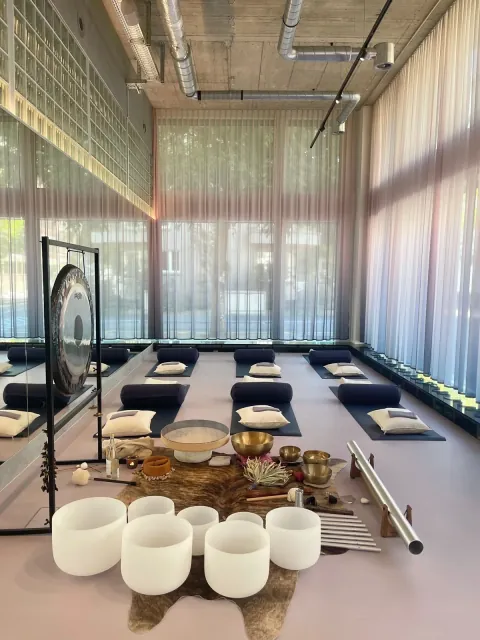
Sound Bath: sixty minutes for the nervous system
Bowls, gongs and a long exhale: what sixty minutes lying down in the Aura Room do, what the research says so far, and how to prepare.
Read
Pilates in pregnancy and after birth: what changes in class
What changes in each trimester, what the Reformer offers, when to return after birth and how to tell your teacher. A practical guide from Zürich.
Read