








Reformer, Mat or Tower: which Pilates suits you
Three formats, one method. Reformer, Mat and Tower share the same principles: breath, center, control, precision, flow. What changes is the equipment, the feedback it gives and the size of the group. Here is how to choose.
One method, three pieces of equipment
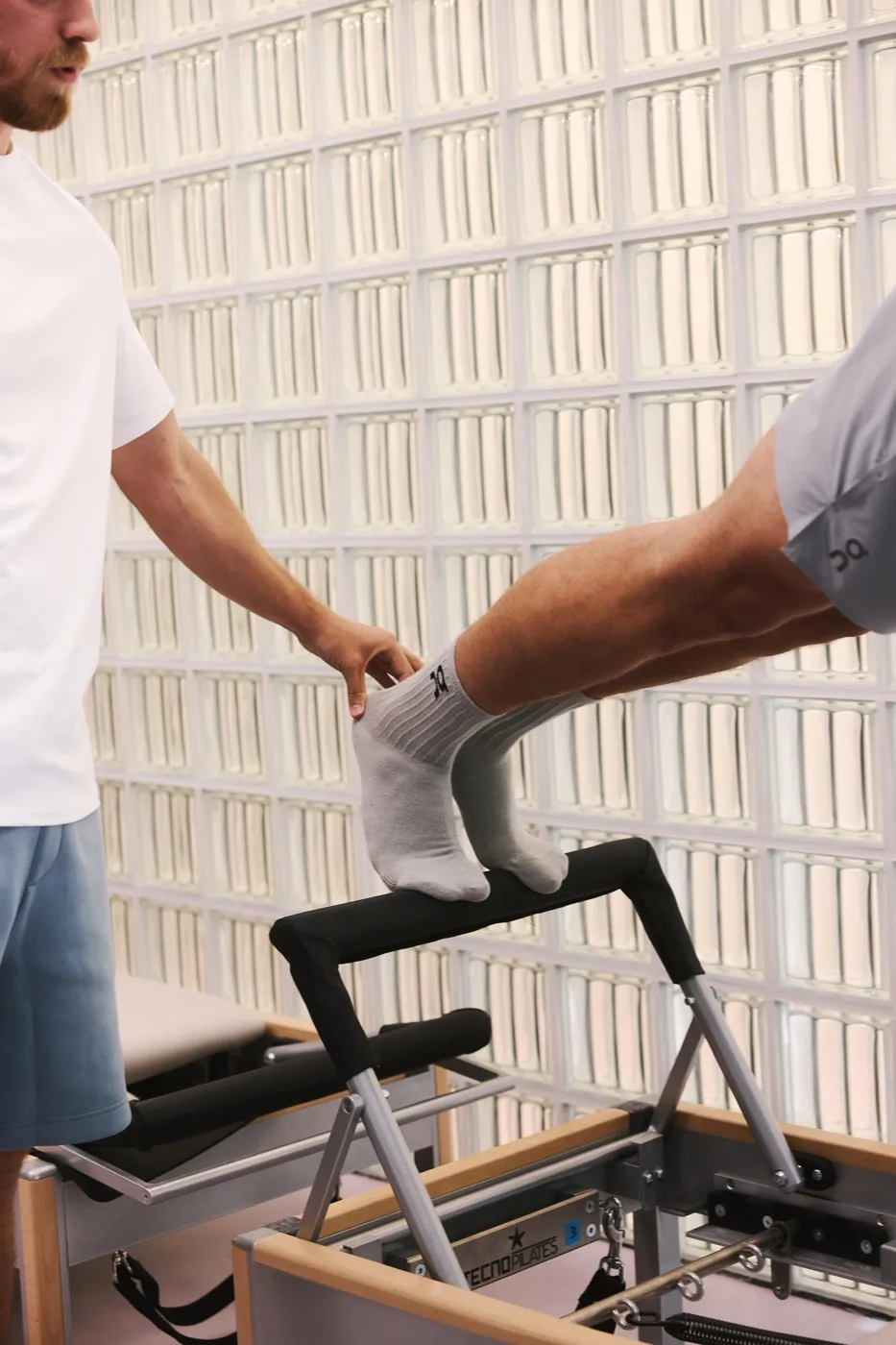
Joseph Pilates built his apparatus for one reason: to teach the body movements it could not yet do on its own. The mat is where the method started. The Reformer and the wall units that became the Tower were built to add support where the body needed it and resistance where it was ready for it.
At Anida Lab all three live under one roof in Zürich Enge. Mat Pilates takes place in the Aura Room, Reformer Pilates and Pilates Tower in the Reformer Room. One pass covers both rooms, so the choice is never final.
Mat Pilates: the body as the only resistance
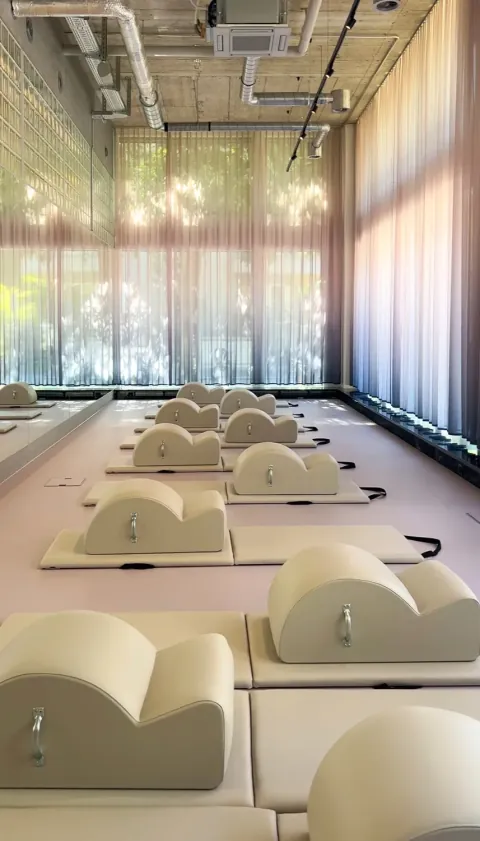
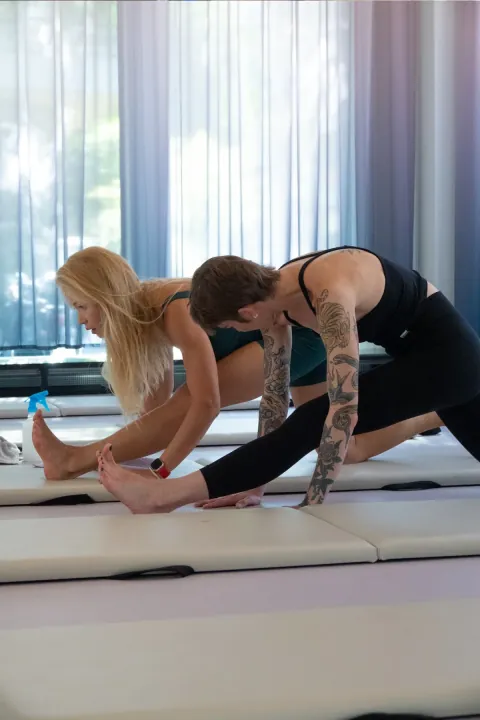
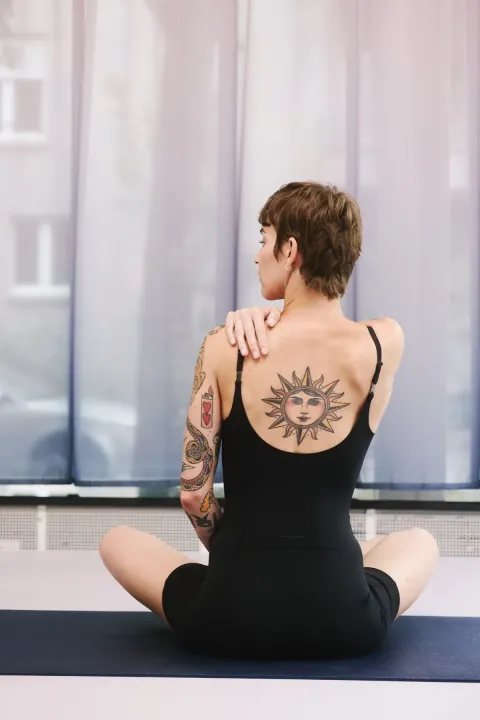
Fifty minutes on the floor, fourteen places, a mirror wall of over fifteen meters. No springs. The body provides the load and the control, which makes the mat the most honest place to learn the principles. It is harder than it looks: without the apparatus, nothing hides a weak center.
The mat suits anyone starting with Pilates, people who prefer a larger class, and Reformer regulars who want to refine the basics. What changes with practice: coordination, control, and a trunk that holds itself through a working day.
Reformer Pilates: springs that give feedback
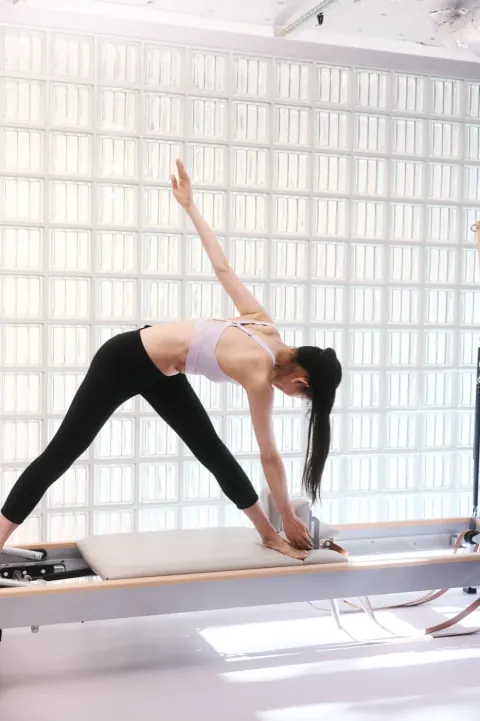
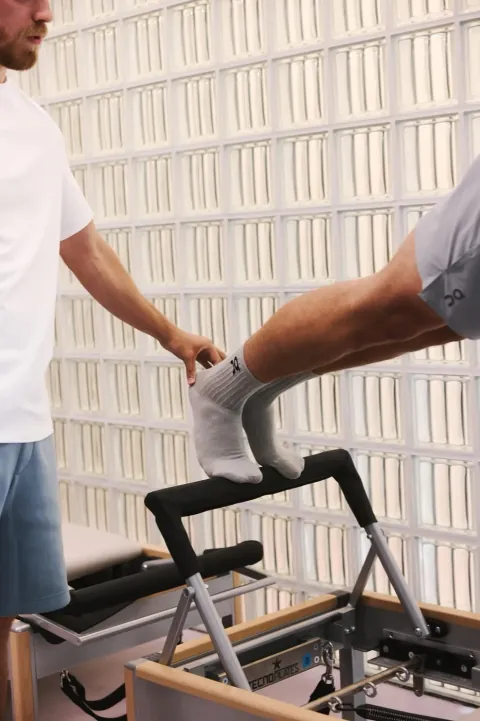
Five Reformers, five people. The carriage slides on rails; the springs resist or assist. The feedback is immediate. Too fast, too much momentum, and the carriage shows it. The same springs can make an exercise easier by supporting the body or harder by loading it. That range makes the Reformer the most adaptable of the three formats: for a sensitive back, for the return after an injury once a doctor has cleared it, and for strong bodies that want load.
The learning curve is short but real. The first class is about the machine. By the third, the body knows where it is on the carriage and the work begins.
Pilates Tower: springs on the wall
The Tower is a vertical frame with springs at different heights, a push-through bar and a roll-down bar. Twelve people share a class at Anida Lab. Unlike the Reformer, the base does not move: you stand, kneel, sit or lie in front of the frame and work against springs fixed to the wall.
That gives more stability than the Reformer and more resistance than the mat. The Tower is strong for arm and back work, for standing positions and for people who find the sliding carriage too lively in the beginning. It is also the format where the upper body gets the most attention.
The differences in one view
Same principles, different equipment. These are the points that matter when you choose.
- Group size: Mat fourteen, Tower twelve, Reformer five.
- Feedback: on the mat from the teacher and the mirror; on the Tower from fixed springs; on the Reformer from springs and a moving carriage.
- Learning curve: Mat immediate, Tower one class, Reformer two to three.
- Load: Mat body weight; Tower and Reformer adjustable from light to heavy.
- Strength of each: Mat for principles and control, Tower for stability and upper body, Reformer for adaptability and precision.
How to combine them in a week
Two classes a week are enough to notice change within a month. A simple combination: one Mat class to keep the principles honest, one Reformer or Tower class to add load and feedback. People with a desk job in Kreis 2 often book the mat at lunchtime and the Reformer in the evening on the way home from Paradeplatz.
Passes at Anida Lab cover both rooms, so the mix can change from week to week. Ten minutes of Red Light Therapy fit before or after any of the three.
Which one to start with
If you have never done Pilates: start on the mat or the Tower. Both teach the principles with less to think about. If you have back pain or come from physiotherapy: the Reformer, after a word with the teacher. If you want load and precision from day one: the Reformer.
Whatever the start, the second format is a few meters away on Gotthardstrasse 40. Most people who stay with Pilates end up using two of the three.
Questions and answers
Different. The mat demands more control from the body alone; the Reformer adds load but also support. Most people find the mat harder than they expected.
Yes. Packs and memberships at Anida Lab cover the Aura Room and the Reformer Room.
No. Many people start on the Reformer. Mat before Reformer helps with the principles, but it is not a condition.
Try two formats this week
Book a Mat class and a Reformer or Tower class in the schedule. The same pass covers both rooms.
In this article
All classes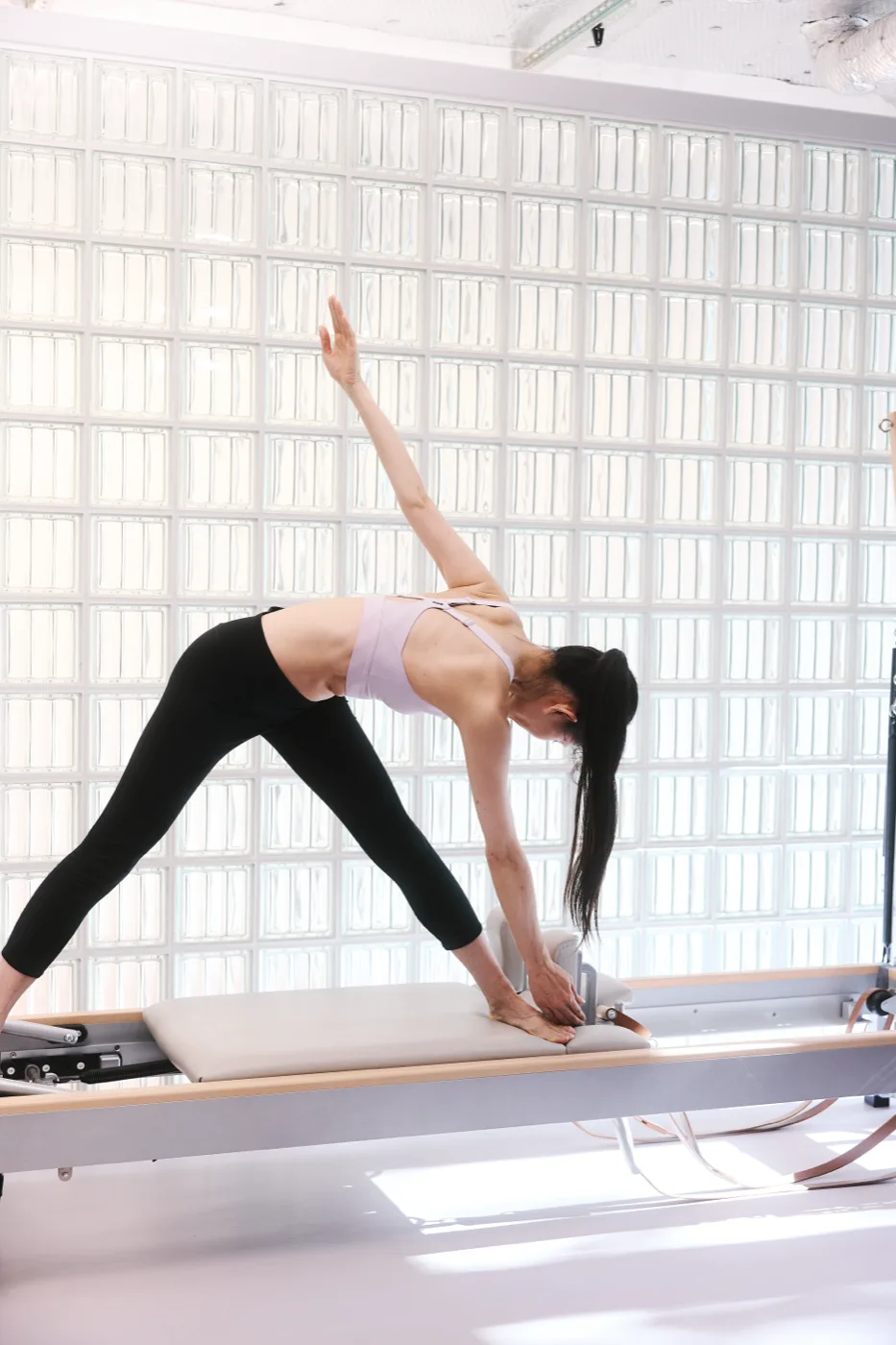
More from the Journal
All articles
Run. Press. Recover. A Saturday with SANE Club
Thirty runners, 8 km from the lab and back, a heat press in the Anida Café and three rooms to recover in. How the morning with SANE Club went, and what we take from it.
Read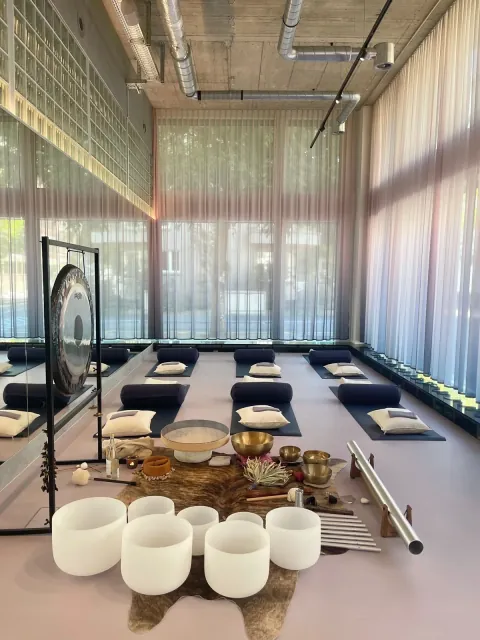
Sound Bath: sixty minutes for the nervous system
Bowls, gongs and a long exhale: what sixty minutes lying down in the Aura Room do, what the research says so far, and how to prepare.
Read
Pilates in pregnancy and after birth: what changes in class
What changes in each trimester, what the Reformer offers, when to return after birth and how to tell your teacher. A practical guide from Zürich.
Read