






Red Light Therapy: what happens in 10 minutes
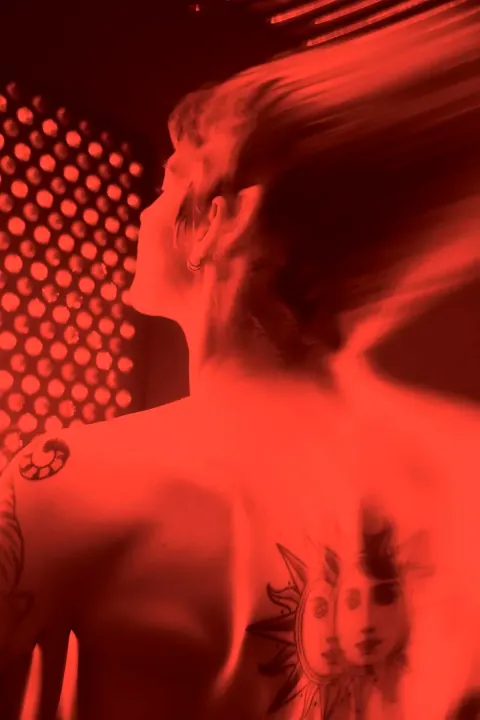
Red Light Therapy sounds more mysterious than it is. Light of specific wavelengths reaches the skin and the tissue below it, and the cells respond. Ten minutes in the cabin at Anida Lab, before or after a class, is how most people meet it.
What is photobiomodulation?
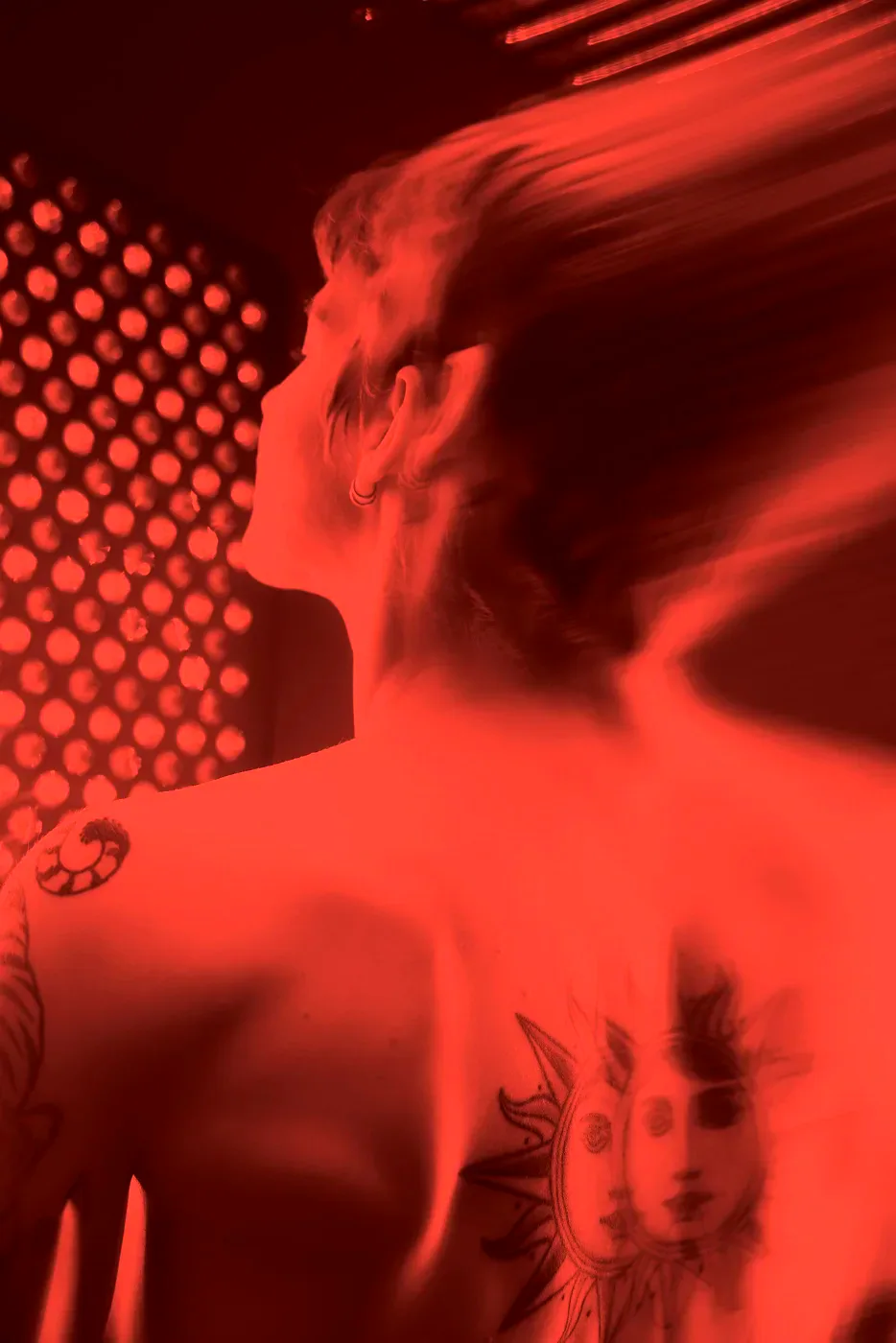
Photobiomodulation is the technical name: light that modulates biological processes. Two bands are used. Red light, in the visible range, is absorbed mainly in the skin. Near-infrared light, just beyond what the eye sees, reaches deeper into muscle and connective tissue. Neither is UV. Neither is heat in the way a sauna is heat.
The best-described mechanism sits in the mitochondria, where the light is absorbed by an enzyme of the respiratory chain and the energy production of the cell responds. The evidence points to effects on circulation, on inflammatory processes and on the regeneration of tissue. Research is ongoing and serious; the effect is a nudge to processes the body already runs, not a replacement for them.
The cabin at Anida Lab
The cabin is built by Alpinglow, a Swiss manufacturer, and stands a few steps from the Aura Room and the Reformer Room at Gotthardstrasse 40 in Zürich Enge. One person per session. The panels emit red and near-infrared light from several sides, so the whole body is reached at the same time instead of one area after the other.
You are inside the cabin for the full session, in as little clothing as you are comfortable with. Light only works where it reaches the skin. The light is bright to the eye; looking into the panels is unnecessary, and many people simply close their eyes.
What happens in ten minutes
You book a slot online, the same way you book a class. You arrive, change, remove creams and oils, and step into the cabin. The programme is set at the start. Then the light: ten minutes, whichever programme you choose: Performance & Focus, Recovery & Regeneration or Relaxation & Sleep. The skin feels a mild warmth; the body tends to settle. People describe a drop in tension by the end, sometimes a slight pink tone on the skin from circulation that fades within the hour.
Afterwards: get dressed, drink water, and go to your class, back to the office near Bahnhof Enge or to the Anida Café. There is no downtime.
Three programmes, one cabin
The same light, three protocols. Each one sets the intensity and the sequence for a purpose.
- Performance & Focus: before a class or a working day. The light warms up muscle and attention.
- Recovery & Regeneration: after training, for muscles and connective tissue that need to repair.
- Relaxation & Sleep: in the evening, to lower activation before the night.
Before or after the class?
Both work. Before the class, the tissue is warm and ready; many people use Performance & Focus before Reformer Pilates or Calisthenics. After the class, Recovery & Regeneration supports the muscles that have just worked. Ten minutes fit into the same visit either way, and the cabin is on the way between the rooms and the exit.
People who come for the light alone often take the early slots before work in the city center or at Paradeplatz, or a lunchtime slot from the offices around Enge. The cabin is open from 06:30 on weekdays and from 09:00 at weekends.
How often
Light works through repetition. Two to three sessions a week over several weeks is a common rhythm for people who want to notice a change in recovery or sleep. One session before a hard class is a reasonable single use. More is not automatically better: the response follows a curve and flattens, which is why a session is ten to twenty minutes and not sixty.
Packs of ten and twenty sessions exist for this rhythm, and the Movement + membership includes the cabin. Combine the light with movement; it does its best work on a body that is also being used.
Safety and when to ask first
Red Light Therapy is non-invasive and the sessions are short. Some situations still need a conversation first: pregnancy, medication or skin conditions that make you sensitive to light, recent surgery, cancer under treatment, epilepsy that reacts to light. If one of these applies, ask your doctor and tell us before the first session.
For everyone else the rules are simple. Hydrate before and after. Remove creams and oils, because they sit between the light and the skin. Do not use the cabin to replace a diagnosis or a treatment you have been prescribed.
Questions and answers
No. The light contains no UV. The skin may look slightly pink from circulation for a short while, then it settles.
Short daily sessions appear in some protocols, but for most people two to three per week are enough. Give the body time to respond between sessions.
As little as you are comfortable with. Light only works where it reaches the skin. The cabin is private, one person per session.
Ten minutes of light
Book a slot in the schedule, before or after your class. One person, one cabin, three programmes.
In this article
Red Light Therapy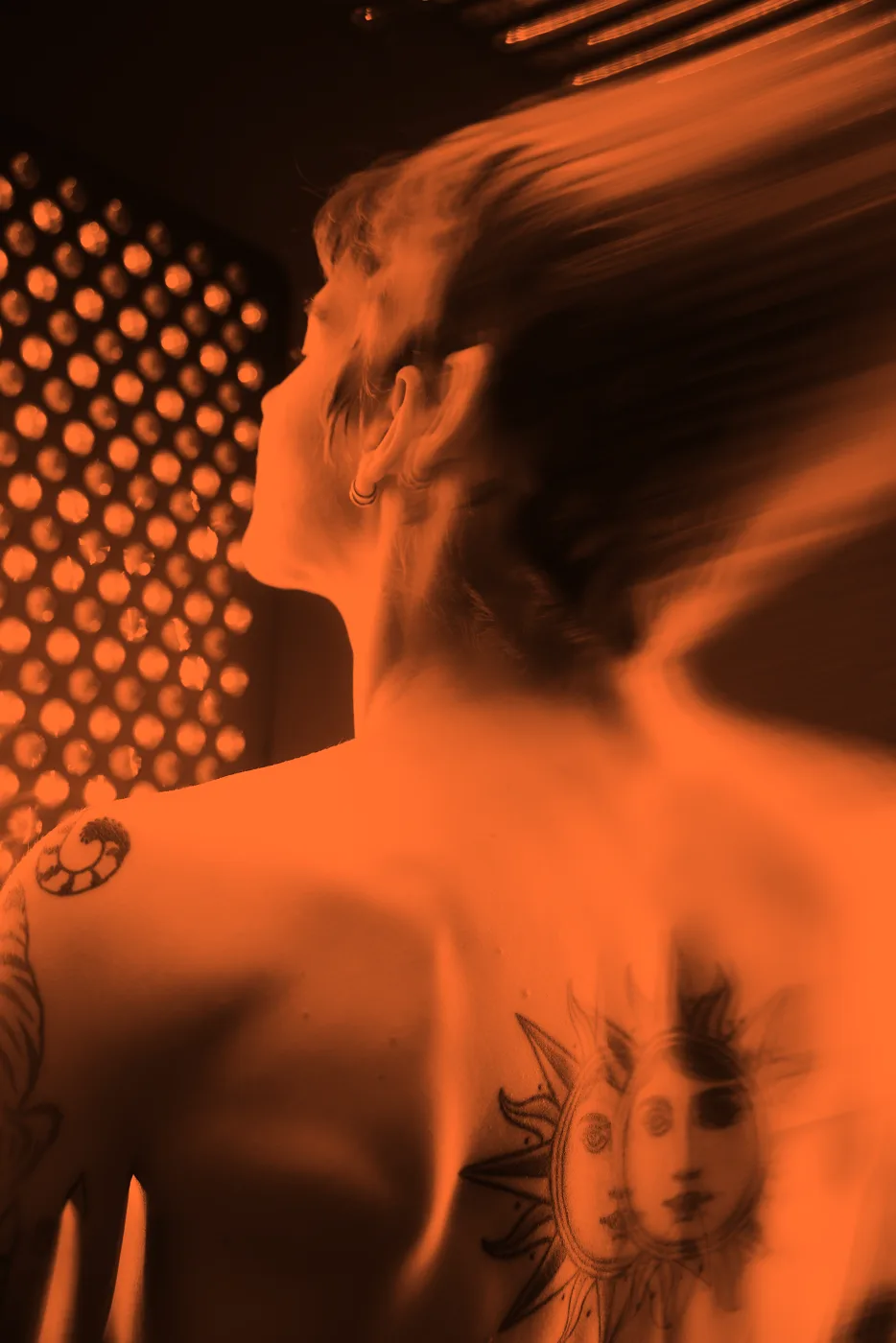
More from the Journal
All articles
Run. Press. Recover. A Saturday with SANE Club
Thirty runners, 8 km from the lab and back, a heat press in the Anida Café and three rooms to recover in. How the morning with SANE Club went, and what we take from it.
Read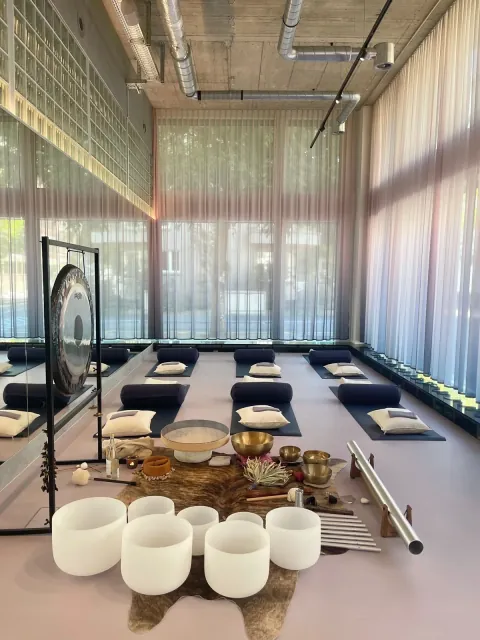
Sound Bath: sixty minutes for the nervous system
Bowls, gongs and a long exhale: what sixty minutes lying down in the Aura Room do, what the research says so far, and how to prepare.
Read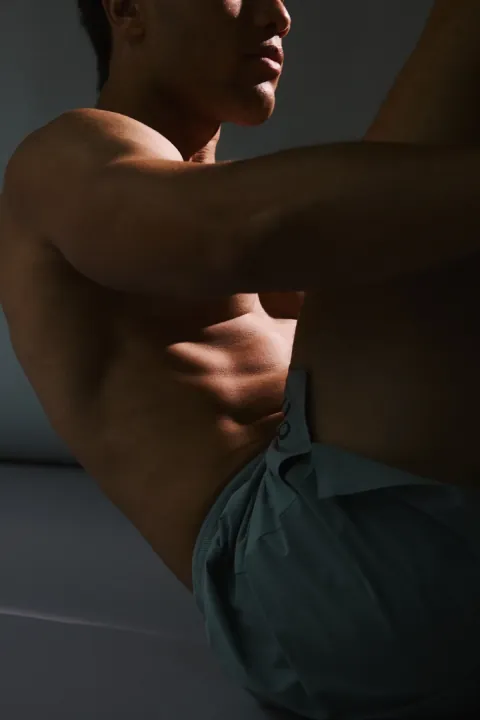
Pilates in pregnancy and after birth: what changes in class
What changes in each trimester, what the Reformer offers, when to return after birth and how to tell your teacher. A practical guide from Zürich.
Read