







Recovery for runners in Zürich: the part of the plan that is missing
Zürich is a good city for running: the Seeufer for even pace, the Üetliberg for climbing, the Sihl for soft ground. Most plans here are full of kilometres and empty of recovery. At Anida Lab in Enge, the days in between get the same attention as the runs.
Recovery is where the training happens
A run is a stimulus. The adaptation, stronger tendons, more capillaries, a more efficient heart, happens afterwards, during sleep and on the easy days. Without recovery the stimulus adds up as fatigue instead of fitness.
Most runners who stop improving are not training too little. They are recovering too little. The fix is rarely another session. It is a better week.
What Zürich runs ask of the body
The flat loop along the lake from Enge towards Wollishofen and back is fast and repetitive: the same stride, thousands of times. Calves, Achilles and hip flexors take the load.
The Üetliberg is the opposite. Long climbs and steep descents, and it is the descents that cost the most. Eccentric load in the quadriceps, which is why the legs feel heavy two days later. The Sihl paths are softer, but roots and uneven ground ask for stable ankles.
Easy days: Move & Stretch and Sync Flow
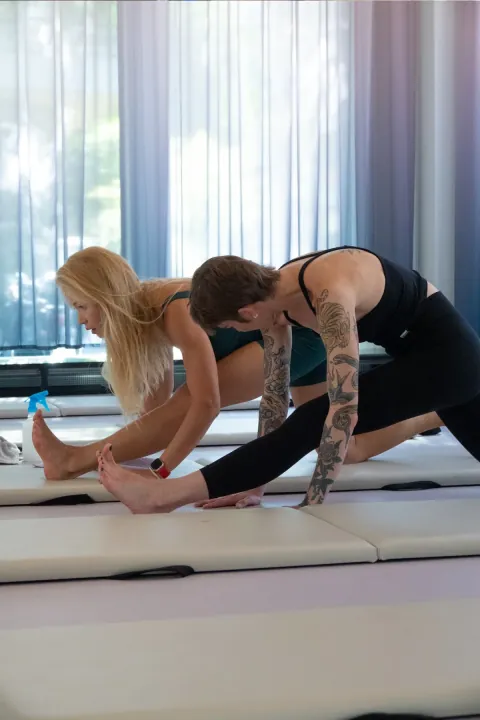
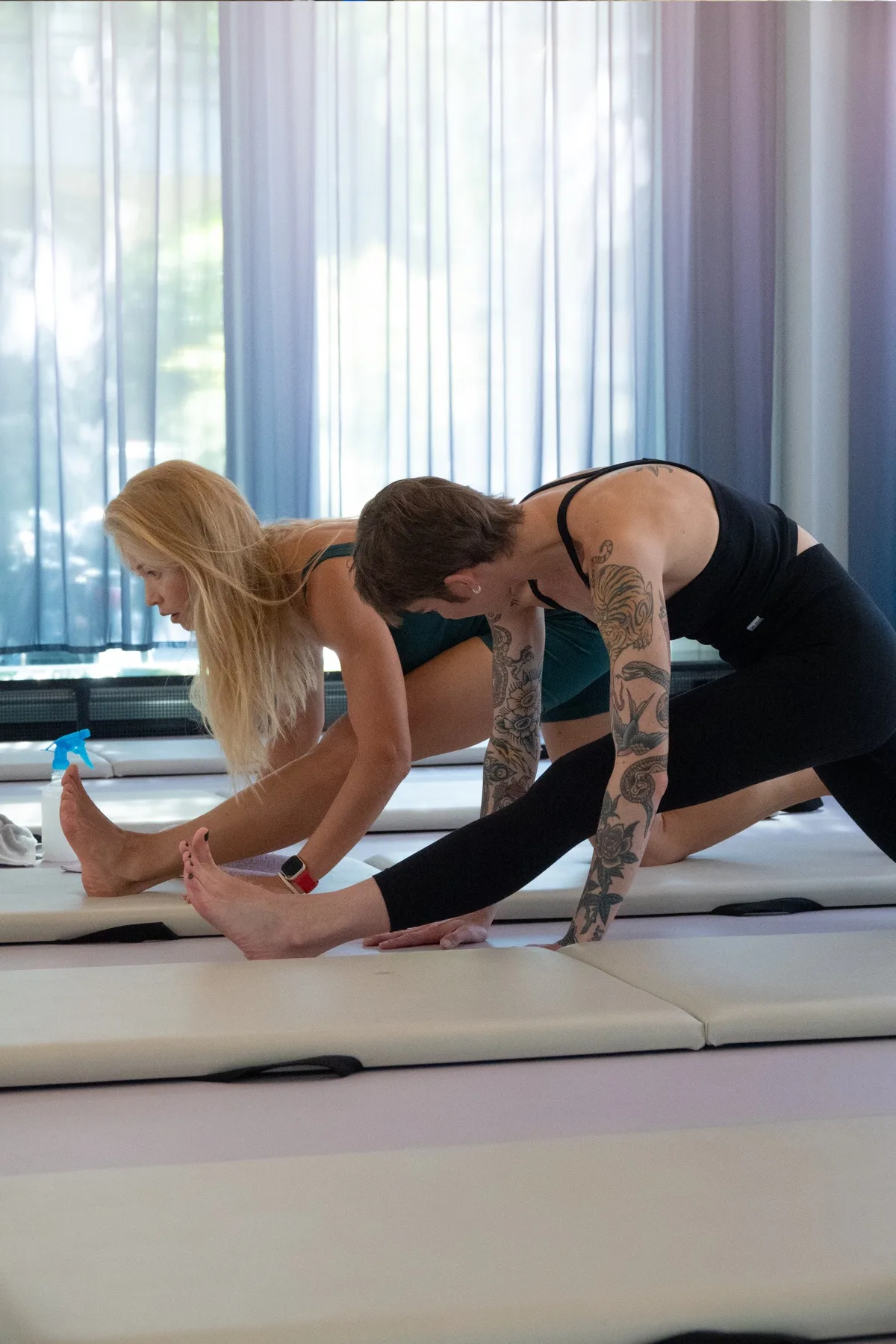
Move & Stretch is a fifty-minute mobility class in the Aura Room. Hips, ankles, thoracic spine and the chain along the back of the leg. The work is slow and specific, and it restores the range that running takes away.
Sync Flow is movement that follows the breath. The pace stays low, the whole body moves, and the heart rate sits where active recovery belongs. For runners it suits the day after a hard session: the blood moves, the legs do not pound.
- Hips and ankles: the two joints that limit stride length
- Thoracic spine: a tall upper body breathes better on the climb
- Calves and hamstrings: load and length in balance
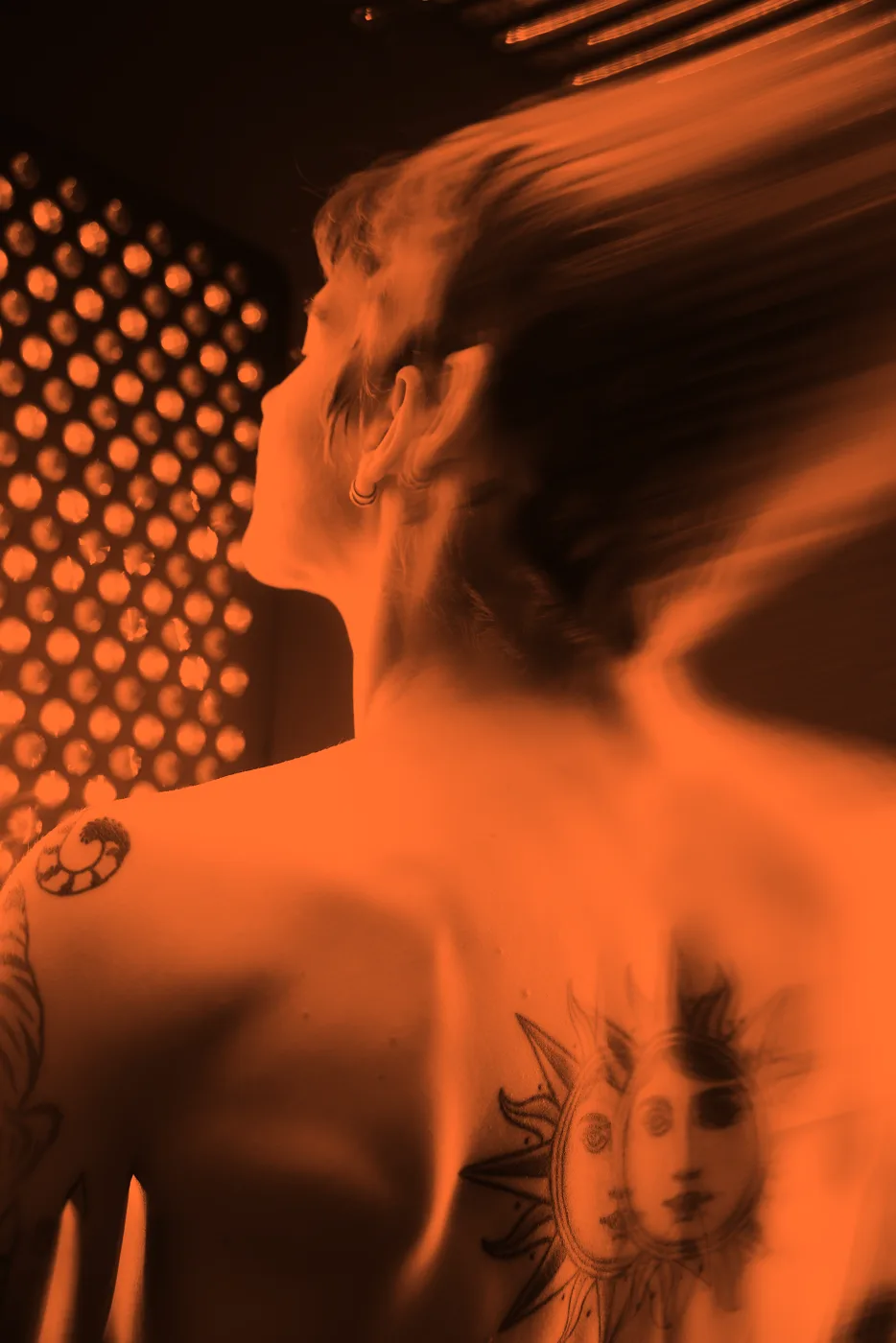
Red Light Therapy after the long run
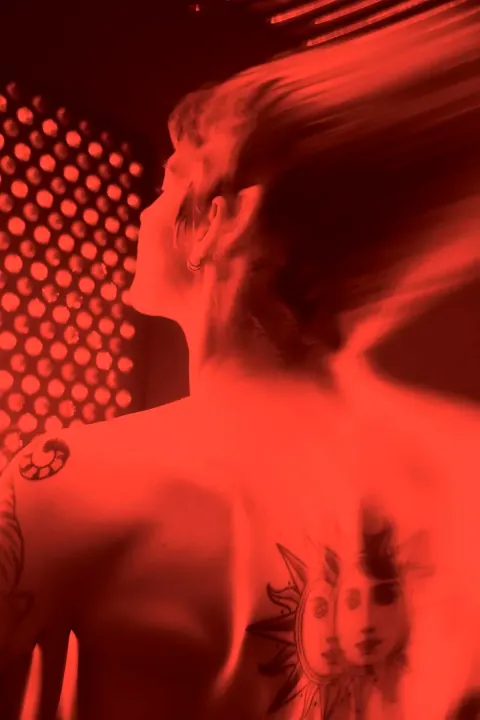
The Red Light Therapy cabin at Anida Lab uses red and near-infrared light, a method known as photobiomodulation. A session takes ten minutes depending on the programme, one person at a time. The Recovery & Regeneration programme is set up for exactly this moment.
The evidence points to effects on circulation and on how muscle recovers after load. Many runners use it within a few hours of the long run or the next morning. Combined with sleep and food, it shortens the heavy-leg days. It does not replace them.
Signs that you are not recovering
The body reports early, if you listen. Resting heart rate a few beats higher in the morning. Sleep that is lighter than usual. Legs that feel heavy at an easy pace. A mood that is shorter than the situation deserves. Small niggles that move around.
Heart-rate variability makes this measurable. The Stress-Analyse with Therapy Base in the Lab reads it in sixty minutes and shows whether the system is in balance or running on reserve. One measurement before a training block, one after, tells a clear story.
A week that works from Enge
The Lab opens at 06:30 on weekdays and the lake is five minutes away, so a run and a class fit before work. A possible week for someone training four times:
Strength belongs in the plan too. Calisthenics and Reformer Pilates build the trunk and the single-leg stability that keeps the stride clean when the kilometres add up. One session a week is enough to feel it.
- Monday: easy run along the lake, then Move & Stretch
- Tuesday: intervals
- Wednesday: Sync Flow, no running
- Thursday: tempo run or Üetliberg
- Friday: rest, ten minutes of red light in the evening
- Saturday: long run, red light within a few hours
- Sunday: walk, nothing else
Where
Anida Lab, Gotthardstrasse 40, 8002 Zürich, in Enge, Kreis 2. A few minutes on foot from Bahnhof Enge, close to the Seeufer and to the Sihl paths. Classes, Red Light Therapy, Therapy Base and the Anida Café under one roof, so the easy day fits into one visit.
Questions and answers
As a rule, two easy days for every hard one. Easy means you could talk the whole time. Mobility and Sync Flow count as easy days, a slow run often does not.
After the hardest session of the week, within a few hours or the next morning. Ten minutes, then food and sleep do the rest.
Yes. Run first, then Move & Stretch or Sync Flow. The class takes the tension out of the run rather than adding load.
Make the easy days count
Move & Stretch, Sync Flow and Red Light Therapy at Anida Lab, Zürich Enge. Book online.
In this article
All classes
More from the Journal
All articles
Run. Press. Recover. A Saturday with SANE Club
Thirty runners, 8 km from the lab and back, a heat press in the Anida Café and three rooms to recover in. How the morning with SANE Club went, and what we take from it.
Read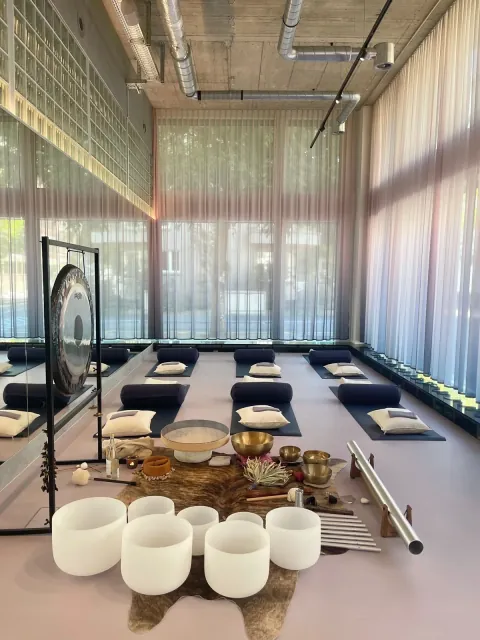
Sound Bath: sixty minutes for the nervous system
Bowls, gongs and a long exhale: what sixty minutes lying down in the Aura Room do, what the research says so far, and how to prepare.
Read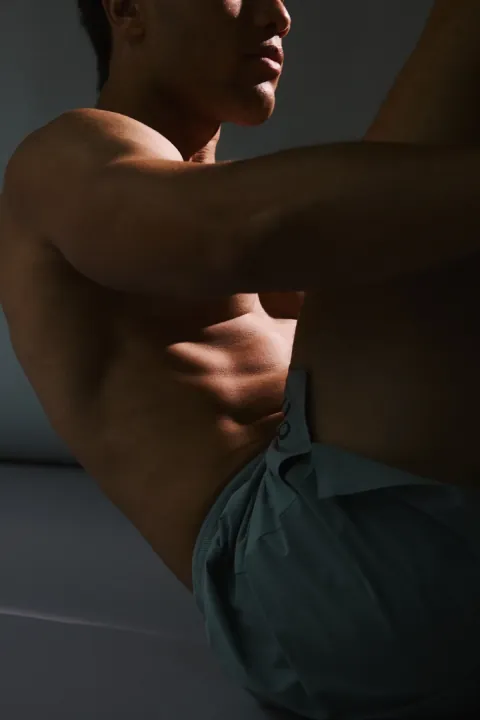
Pilates in pregnancy and after birth: what changes in class
What changes in each trimester, what the Reformer offers, when to return after birth and how to tell your teacher. A practical guide from Zürich.
Read