


Red Light Therapy in the Zürich winter
From November, the day in Zürich gets short. Many people leave home in the dark and come back in the dark. Red Light Therapy does not replace daylight. It can give the body a fixed point in the day, ten minutes at a time, and the winter weeks are when many people at the lab build that habit.
What changes in winter
In December the sun rises after eight and sets around half past four. Most of the daylight falls into working hours, behind a window. Training moves indoors, the evenings get longer and the body spends more time sitting.
People notice it in different places: stiffer muscles after a run in the cold, less energy in the morning, a restless evening. These are the three moments the programmes of the cabin are set for.
A quick note on how it works
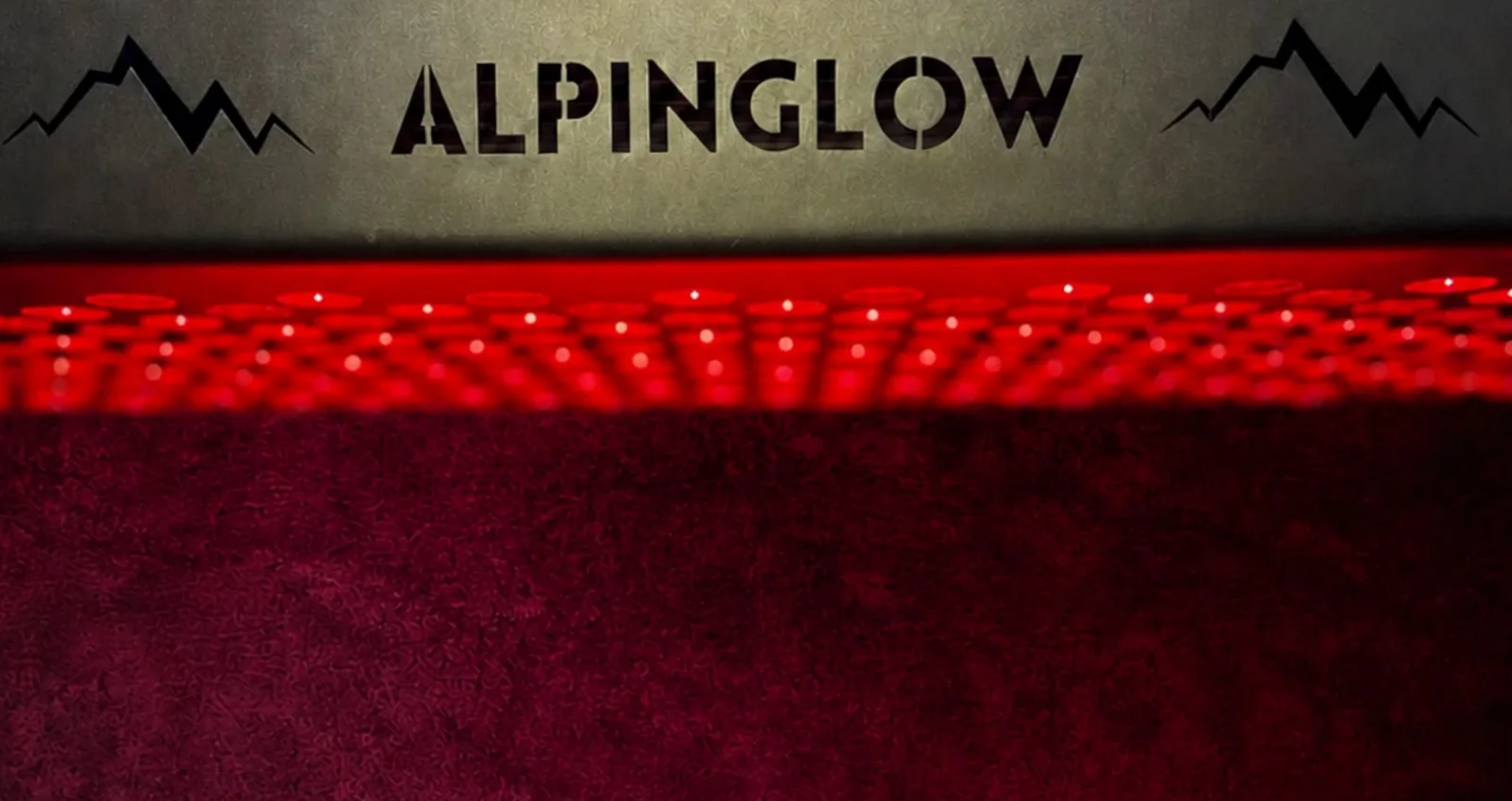
Red Light Therapy uses red and near-infrared light at defined wavelengths. The cells absorb it, and research describes effects on energy production in the mitochondria. The full explanation, and what happens inside the cabin, is in our article on the ten-minute session. Here the question is a different one: how to use it through the winter.
Morning: Performance & Focus
The cabin opens at 07:30 on weekdays. Many people book Performance & Focus before work, on the way to an office near Paradeplatz or in the city center. Ten minutes, then a coffee at the Anida Café and the day starts.
The programme is set to activate. On dark mornings it gives the start of the day a clear form: warmth on the skin, a few calm minutes, then movement. It also works directly before a morning class in the Reformer Room.
After training: Recovery & Regeneration
Winter training is often harder on the body. A run along the lake at two degrees, a full Calisthenics class, a weekend in the mountains. Recovery & Regeneration is set for the hours after effort.
Studies on photobiomodulation suggest that Red Light Therapy can support recovery after training. Most people describe muscles that feel lighter the next day. The effect differs from person to person, and it works best together with sleep, food and rest days.
Evening: Relaxation & Sleep
Relaxation & Sleep runs softer than the other two programmes and adds a dedicated head panel for the scalp. It is designed to release tension in the neck, the shoulders and the jaw and to help the body come down before the night.
Book it one to three hours before bed. The last weekday slot is at 19:30. Go home without screens if you can. For many, the evening stays calmer and the way into sleep is easier.
What research says, and what it does not
Research on Red Light Therapy points to effects on circulation, on recovery of muscle tissue and on inflammatory processes. Studies on sleep are fewer and smaller. They are promising, not conclusive.
One distinction matters in winter. The bright-light lamps used for winter low mood work through the eyes, with very strong white light. Red Light Therapy works on the skin and the tissue, not through the eyes. It is not a treatment for winter depression. If your mood drops for weeks, talk to your doctor.
A weekly rhythm for the winter
Many people come two to four times a week over several weeks. A rhythm that fits a working week could look like this:
- Two mornings with Performance & Focus before work or a class.
- After the hardest training of the week, Recovery & Regeneration.
- One or two evenings with Relaxation & Sleep, on the days that run longest.
- At weekends, from 09:00 to 15:00, one session after a class or a long walk.
This article is general information and does not replace medical advice. With a medical condition, an injury or during pregnancy, speak to your doctor or midwife first.
Questions and answers
No. Daylight reaches the body through the eyes and the skin and sets the daily rhythm. Red Light Therapy works on the skin and the tissue. Go outside when you can, and use the cabin as an addition.
Yes. Each session is ten minutes and one programme. Many people choose by the time of day: Performance & Focus in the morning, Recovery & Regeneration after training, Relaxation & Sleep in the evening.
No. The light lamps used for low mood in winter work through the eyes with bright white light. If your mood is low for a longer time, talk to your doctor.
Monday to Friday from 07:30 to 19:30 and at weekends from 09:00 to 15:00. One person per session.
A winter rhythm with Red Light Therapy
Book a ten-minute session in the morning, after training or in the evening. One person, one cabin, three programmes.
In this article
Red Light Therapy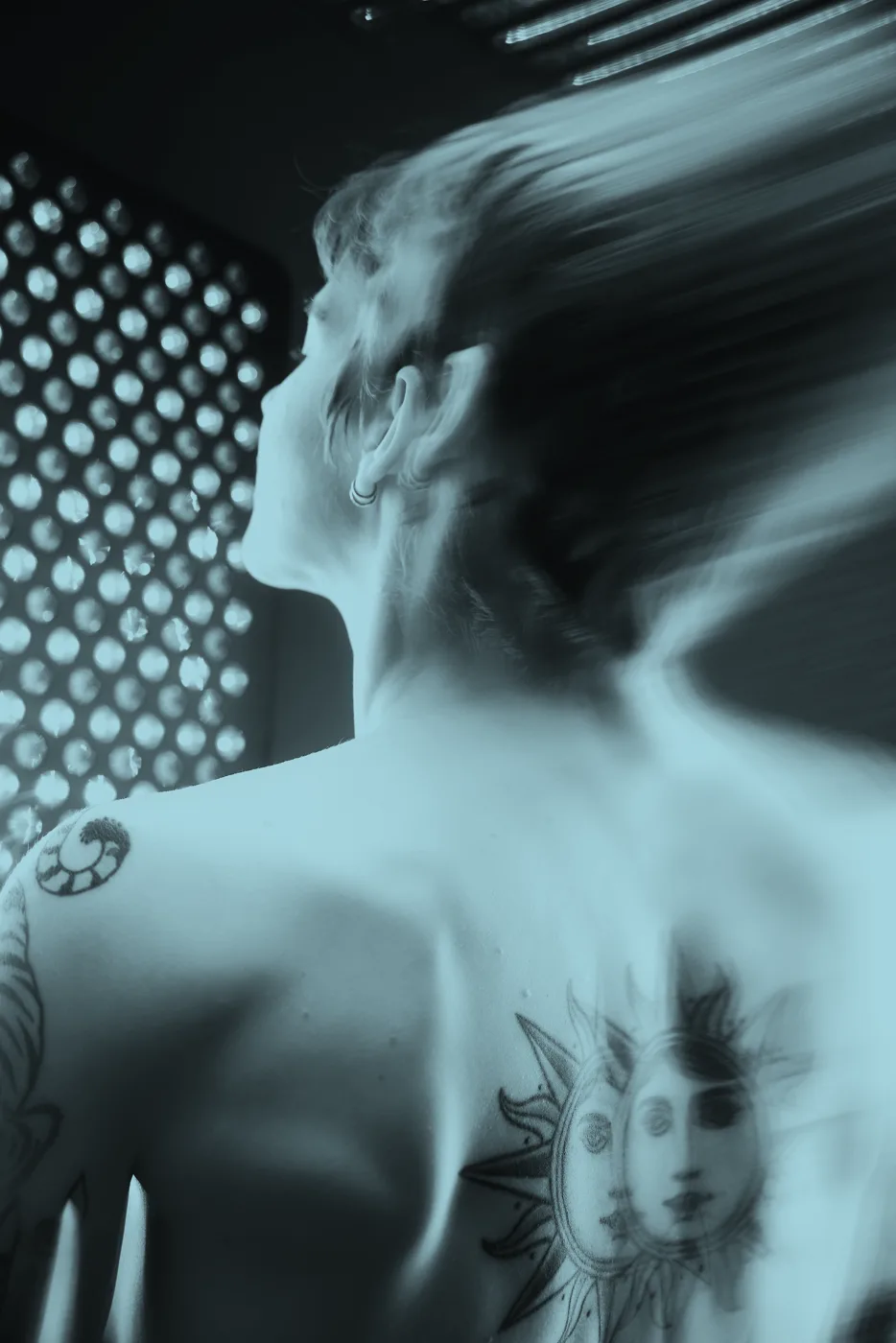
More from the Journal
All articles
Pilates near Paradeplatz: a class in the lunch break
A few minutes by tram, fifty minutes on the Reformer or the mat, a shake at the Anida Café and back at the desk. Pilates in the heart of Zürich, between the lake and Paradeplatz.
Read
Run. Press. Recover. A Saturday with SANE Club
Thirty runners, 8 km from the lab and back, a heat press in the Anida Café and three rooms to recover in. How the morning with SANE Club went, and what we take from it.
Read
A morning by the lake: class, Red Light and coffee before 10:00
The 07:30 class, ten minutes of Red Light Therapy, an espresso at the counter and the tram to Paradeplatz. A morning in the heart of the city, between the lake and Paradeplatz.
Read