


Your first pull-up: Calisthenics in Zürich for adults starting from zero
Most adults who come to a first Calisthenics class cannot do a pull-up. That is the normal starting point, not a problem. The pull-up is a skill built in steps: hanging, pulling with the shoulder blades, lowering slowly, pulling with help. Each step has its own exercise and its own week.
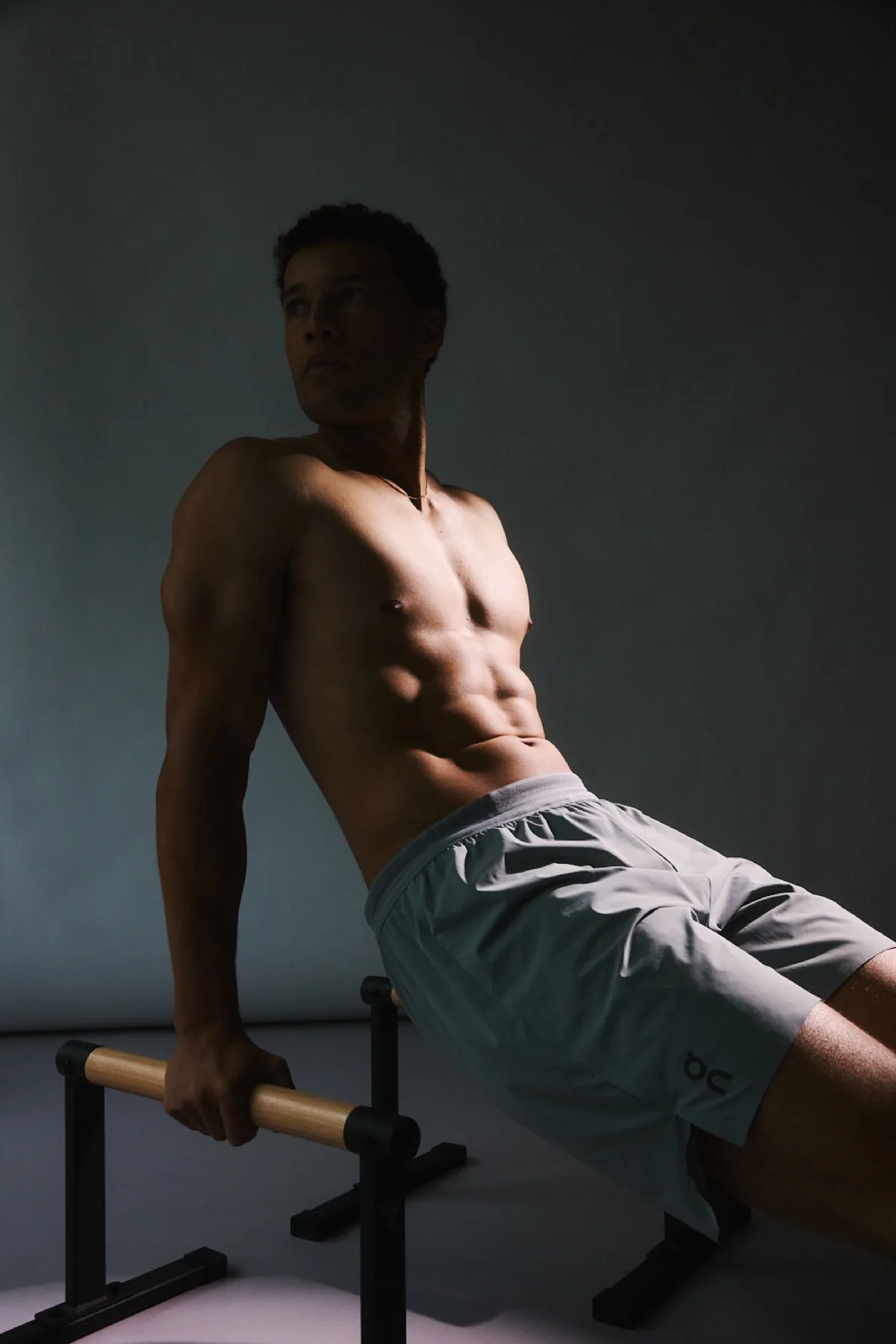
Why the pull-up feels impossible at first
A pull-up asks the back, the arms and the grip to lift the whole body. Desk work rarely trains any of them. The muscles that pull the shoulder blades down and back are often the weakest link, so the arms try to do everything and give up early.
The answer is not more attempts at the full movement. It is to train each part separately, then put the parts back together. That is what the progressions are for.
The four progressions
Each one prepares the next. You stay with a step until it is clean, then move on.
- Hangs: hold the bar with straight arms and breathe. Grip strength and shoulders that tolerate the full weight of the body.
- Scapular pulls: from the hang, pull the shoulder blades down without bending the arms. The body rises a few centimetres. This is the start of every pull-up.
- Negatives: start at the top, chin over the bar, and lower as slowly as you can. The muscles are stronger lowering than lifting, so this is where strength builds fastest.
- Assisted repetitions: the full movement, with the legs taking part of the weight. Less help each week, until the arms and the back do it alone.
How a class builds it
A Calisthenics class at Anida Lab lasts fifty minutes in the Aura Room, with fourteen places. It opens with joint preparation for wrists, shoulders and hips. The main block always includes a pulling pattern, next to a pushing pattern, legs and a hold.
Every exercise comes in three progressions. You choose the one you can do cleanly, and the teacher watches form over numbers. Fewer clean repetitions beat many rushed ones. When a progression is easy for several weeks in a row, it is time for the next.
How long it realistically takes
There is no fixed number. Starting strength, body weight, sleep and how often you train all play a part. With two classes a week, many adults move from hangs to clean negatives within a few months. The first full pull-up often follows somewhere after that.
Progress is rarely a straight line. Some weeks the negatives get slower and stronger; other weeks nothing seems to move. Counting seconds in a negative or in a hang gives you a measure that shows change before the first pull-up does.
Why mobility belongs in the same week
Pulling strength needs shoulders that can reach overhead without the lower back arching to compensate. Stiff shoulders and a closed upper back make the bar feel further away than it is.
Move & Stretch is fifty minutes of mobility and active flexibility, ten places, also in the Aura Room. The class works the hips, the spine and the shoulders through their range and strengthens the end of it. One Calisthenics class and one Move & Stretch class a week is a balanced start.
What to bring to a first class
Clothes you can move in, and either bare feet or your own socks with grip. Bring a small towel or rent one at the lab for CHF 3. Water is available at the Anida Café.
Tell the teacher about any injury before the class, especially in the shoulders, elbows or wrists. The progressions adapt. The Guest Pass covers one class for CHF 40 and is valid for seven days. Anida Lab is at Gotthardstrasse 40, between the lake and Paradeplatz.
Questions and answers
Yes. Every exercise has three progressions and the first one is for people who have never trained with their bodyweight. The pull-up is a goal, not a condition.
Two classes a week is a realistic rhythm. Add one mobility class, such as Move & Stretch, for the shoulders.
Yes, when they are controlled and the shoulders are prepared. Start with a few slow repetitions and stop when the lowering speeds up.
Start with the hang
Fifty minutes of Calisthenics at Anida Lab, Gotthardstrasse 40, Zürich. See the schedule and book a first class.
In this article
All classes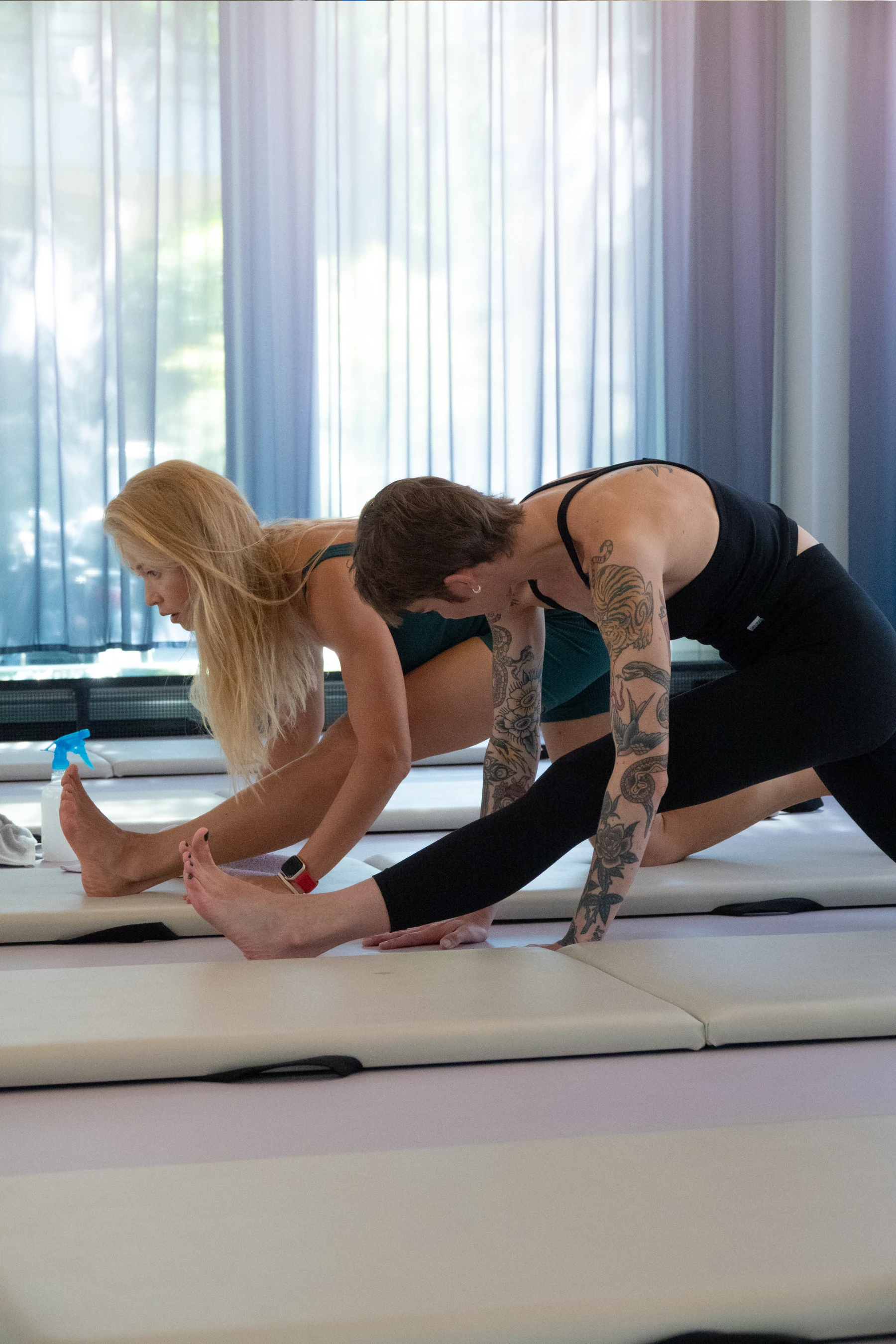
More from the Journal
All articles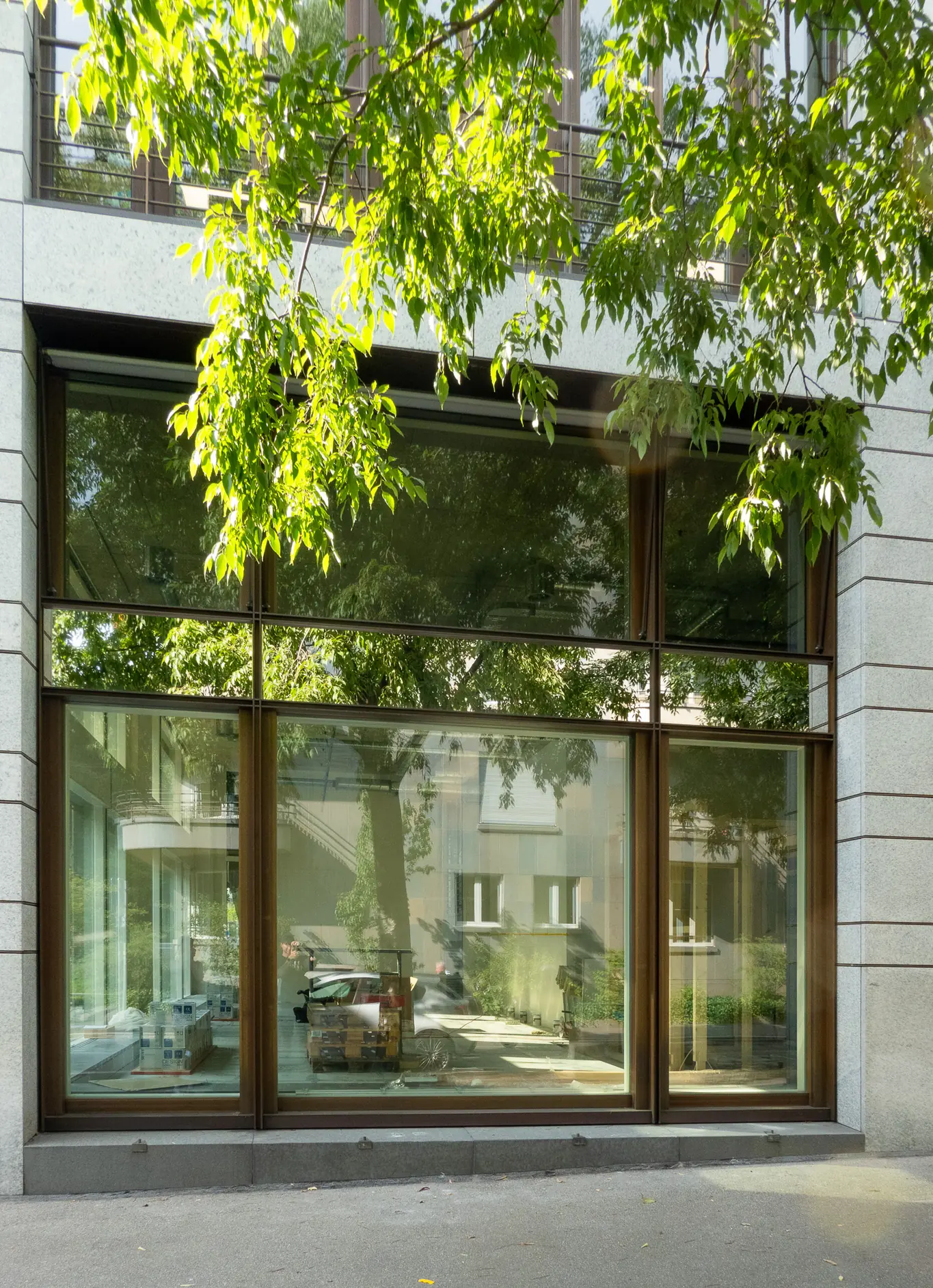
Pilates near Paradeplatz: a class in the lunch break
A few minutes by tram, fifty minutes on the Reformer or the mat, a shake at the Anida Café and back at the desk. Pilates in the heart of Zürich, between the lake and Paradeplatz.
Read
Sync Flow: strength and breath to music, in seventy minutes
Slow, strong, still. Seventy minutes of movement and breath carried by music, and how the class sits next to Pilates and Breathwork in a week.
Read
Back pain from sitting: a weekly plan that fits a working life
Two classes, five minutes at the desk, ten minutes of Red Light Therapy. A realistic week for a back that sits eight hours a day in Kreis 2.
Read